
Grassroots Women Warn Against Shrinking Civic Space
Posted by EDITORIAL
Grassroots Women of Nairobi call for an end to intimidation of civil society organizations, demand protection for accountability defenders, and urge the Kenyan government to safeguard civic space, investigate alleged rights violations, and uphold constitutional freedoms.
In Summary:
Grassroots women leaders from across Nairobi have issued a strong public statement condemning what they describe as increasing intimidation, harassment, unlawful surveillance and attacks against civil society organizations and citizens advocating for transparency and accountability. The women argue that shrinking civic space directly affects ordinary Kenyans, particularly women who bear the burden when public resources are mismanaged, and have called on the government to safeguard constitutional freedoms and investigate alleged violations.
Also Read: Kenyan Government at crossroad as Conservationists decry forest encroachment
Also Read: World Horse Day was Marked with Renewed calls for Horses Welfare
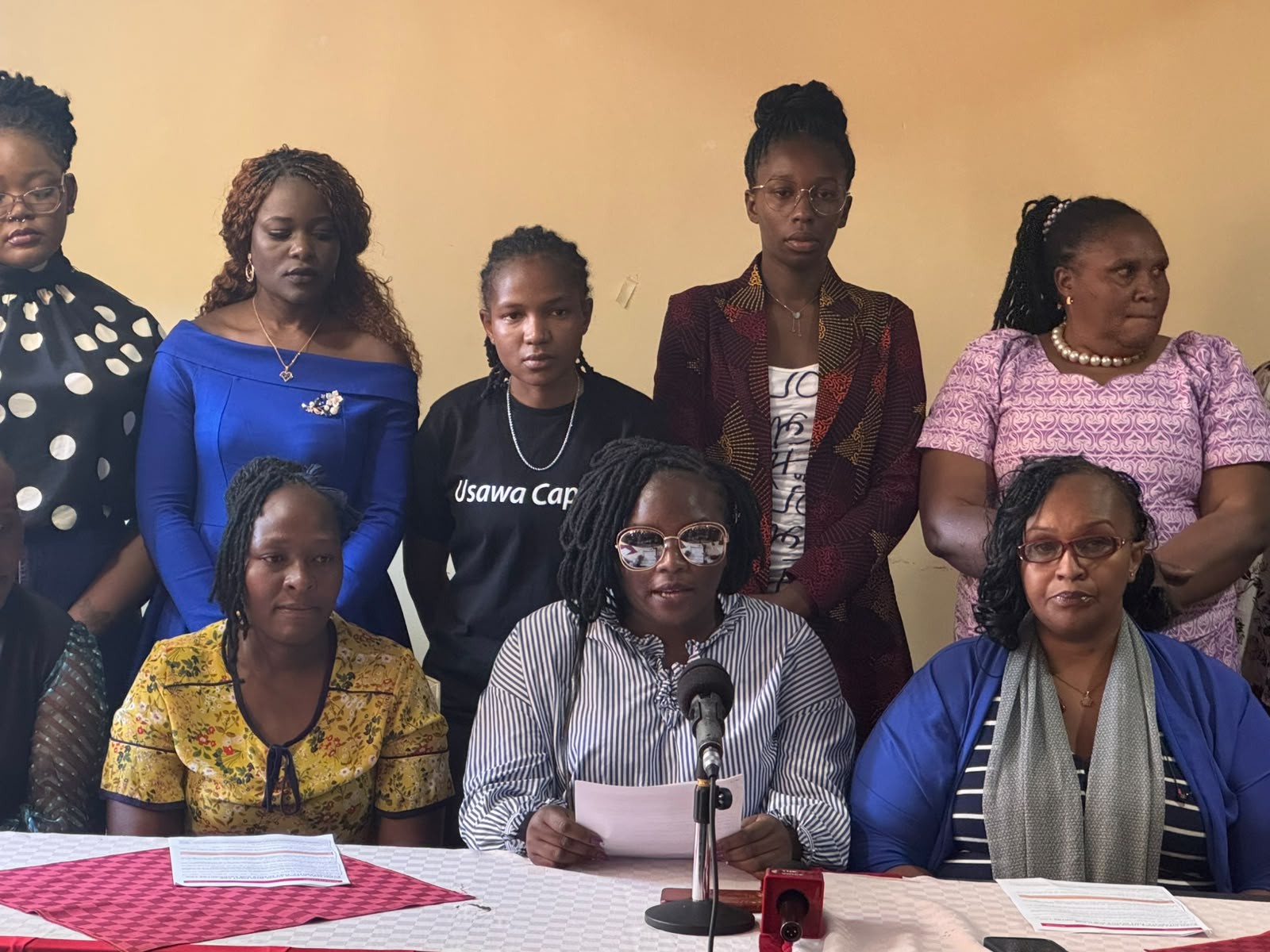
Kenya's civic space has once again come under the spotlight after a coalition of grassroots women leaders from across Nairobi issued a public statement expressing concern over what they described as a growing pattern of intimidation and harassment targeting organizations and individuals working to promote accountability and transparency in public affairs.
In the statement released yesterday, the women said attacks against civil society organizations go beyond silencing advocacy groups and instead undermine the voices of ordinary citizens seeking answers on how public resources are managed. Speaking collectively as community leaders and women community organizers, they argued that civic organizations serve as an important bridge between citizens and government by helping communities demand transparency and improved public service delivery.
The group noted that civil society organizations frequently support communities in questioning delayed or incomplete public projects, shortages of essential medicines in health facilities, deteriorating roads, and stalled market developments despite substantial public funding. According to the women, such questions are central to strengthening accountability and ensuring that taxpayers receive value from government investments.
The statement warns that increasing pressure on organizations championing accountability creates fear among ordinary citizens who may wish to question the management of public resources. The women argued that if organizations with legal representation, national visibility and public support can allegedly face intimidation for demanding accountability, ordinary residents may become reluctant to raise similar concerns within their own communities.
The coalition further emphasized that women often experience the greatest consequences when public resources are mismanaged. They pointed to rising household costs resulting from medicine shortages, neglected markets, inadequate water services and stalled development projects, saying such failures place additional financial and social burdens on families already facing economic challenges.
According to the statement, weakening accountability mechanisms creates an environment in which corruption can flourish, ultimately affecting service delivery and slowing community development. The women maintained that transparency and effective oversight are essential to ensuring public funds are used for their intended purposes and that development projects benefit the people they are designed to serve.
The coalition also expressed concern over what it described as an increasingly restrictive environment for civic participation, citing allegations of intimidation, unlawful surveillance, office raids, arbitrary arrests and enforced disappearances affecting civic actors. While making these claims, the women stressed that a democratic society depends on citizens being able to ask questions and participate in public affairs without fear of retaliation.
Calling for stronger protection of constitutional rights, the grassroots leaders urged the Government of Kenya to end all forms of intimidation, harassment and attacks directed at civil society organizations, human rights defenders and citizens promoting public accountability. They also appealed for independent investigations into reported incidents involving unlawful surveillance, enforced disappearances, arbitrary arrests and attacks against civic actors, with those found responsible being held accountable under the law.
In addition, the women called for greater protection of grassroots leaders and community organizers who continue to advocate for transparency in the management of public resources. They reaffirmed the importance of safeguarding every Kenyan's constitutional rights to freedom of expression, association and peaceful civic participation.
The statement concludes with a message of solidarity, asserting that the struggle to protect civic space is inseparable from the everyday concerns of ordinary Kenyans. The women said accountability is not solely the responsibility of civil society organizations but a shared public interest that affects every community, from market traders seeking reliable public services to youth leaders questioning development promises.
By positioning themselves alongside organizations advocating for transparency and democratic governance, the Grassroots Women of Nairobi say they will continue mobilizing their communities, asking questions about the use of public resources and advocating for accountable leadership. They maintain that protecting civic space is fundamental to strengthening democracy, improving public service delivery and ensuring that public resources are managed in the interests of all Kenyans.