
Parliament Backs Bigger Investment in KEMRI to Drive Kenya's Health Innovation
Posted by EDITORIAL
Kenya's Members of Parliament have pledged to support increased funding for KEMRI to boost medical research, innovation, disease surveillance and commercialisation of locally developed healthcare products in Kenya.
In Summary:
Parliament has signaled stronger backing for the Kenya Medical Research Institute (KEMRI), with lawmakers promising to champion increased funding to accelerate medical research, strengthen disease surveillance and help bring locally developed health innovations to the market.
Also Read: How Kenya Marked World Prematurity Day 2025
Also Read: Kenya's High cost in the Fight against Its citizen's Eating Habit
Kenya's ambition to build a more self-reliant healthcare system received a boost after Members of Parliament pledged to push for increased funding for the Kenya Medical Research Institute (KEMRI), describing scientific research and locally developed medical technologies as essential to the country's long-term health security.
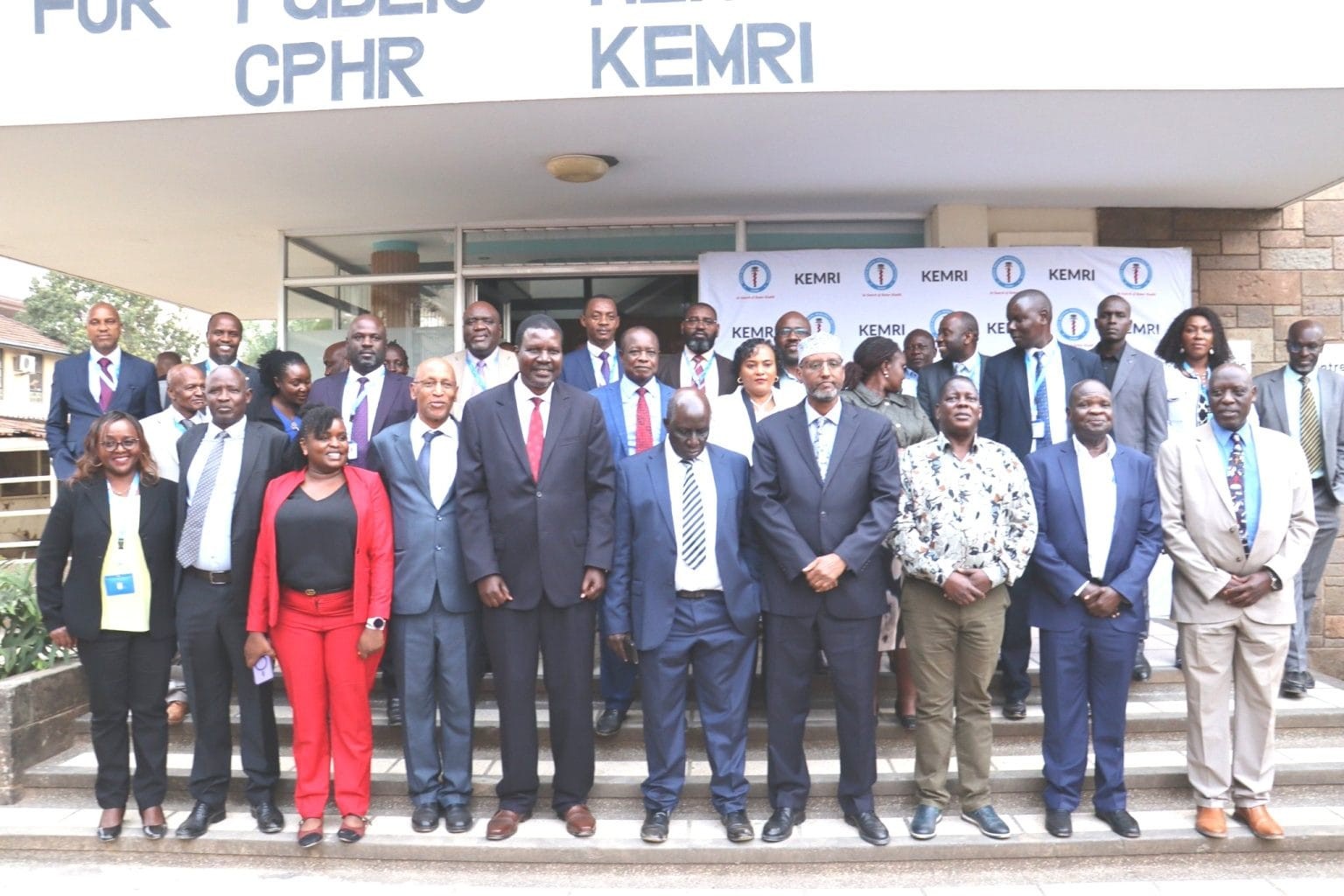
The commitment emerged during an oversight visit by the National Assembly Departmental Committee on Health to KEMRI's Nairobi facilities, where legislators assessed the institute's expanding research infrastructure, innovation pipeline and capacity to respond to emerging public health threats.

Seme MP Dr James Nyika Leading Parliamentarians during inspection|Credits: Handout
Led by Committee Chairperson and Seme MP Dr James Nyikal, the delegation inspected the Multi-Phase Laboratories, Training and Office Facility currently under construction within the Kenyatta National Hospital Complex. The lawmakers also toured KEMRI's Biosafety Level 3 High Containment Laboratory, the newly established Polio Laboratory and several specialised research centres that support disease surveillance and biomedical research.
The visit culminated in a consultative session between the parliamentary committee, the KEMRI Board and senior management, with discussions focusing on sustainable financing, research commercialisation, infrastructure development and stronger collaboration across Kenya's health research ecosystem.
Addressing the meeting, Dr Nyikal described KEMRI as one of the country's most strategic public institutions, noting that its contribution extends beyond scientific discovery to strengthening national preparedness against infectious diseases and improving healthcare outcomes.
He observed that KEMRI's recent recognition as a degree-awarding institution marks a significant expansion of its mandate, positioning the institute to train future health researchers and professionals while continuing to undertake advanced biomedical research.
The committee noted that this expanded responsibility will require greater investment to ensure KEMRI has the facilities, equipment and human resources needed to sustain world-class research and produce highly skilled healthcare professionals.
Lawmakers also commended the institute's advanced laboratory infrastructure, saying it has significantly enhanced Kenya's ability to detect, monitor and respond rapidly to disease outbreaks. They acknowledged that the country's growing research capacity has become increasingly important in safeguarding public health and strengthening national emergency preparedness.
Beyond research, the committee highlighted KEMRI's growing portfolio of locally developed medical innovations, including vaccines, diagnostic technologies, laboratory products and other healthcare solutions with commercial potential. Members observed that while many of these innovations have demonstrated scientific value, limited pathways to commercialisation continue to slow their adoption and market uptake.
The legislators indicated that creating stronger commercialisation frameworks would not only improve public access to Kenyan-made medical products but also diversify KEMRI's revenue streams, reducing reliance on external donor financing while supporting the growth of a domestic health manufacturing industry.
The committee also acknowledged the institute's rising financial requirements, particularly the need to complete major infrastructure projects that will expand research capacity. Among the immediate priorities is the completion of the Nairobi laboratory complex, which requires an estimated KSh500 million, alongside similar developments in other parts of the country.
Dr Nyikal assured KEMRI that the committee would take the institute's funding needs into consideration during the national budget process, recognising that sustained investment in research infrastructure is critical to Kenya's future healthcare resilience.
KEMRI Director-General Prof Elijah Songok welcomed the parliamentary delegation, saying the visit offered an opportunity to demonstrate how government investment has translated into scientific innovation, stronger health systems and improved public health outcomes.
He noted that the visit was the first parliamentary oversight engagement since KEMRI received its university charter, enabling the institute to award its own academic qualifications while maintaining its statutory mandate as Kenya's leading health research institution under the Ministry of Health.
Prof Songok emphasised that scientific research, innovation and capacity building remain central to KEMRI's mission, adding that stronger domestic investment would enable the institute to address Kenya's evolving healthcare priorities more effectively.
He also appealed for policy reforms that would allow KEMRI-developed products to benefit from government procurement under the Buy Kenya, Build Kenya initiative. According to the Director-General, locally developed vaccines, diagnostic kits, sanitisers and traditional medicine products continue to face procurement and regulatory barriers despite meeting quality standards and addressing national health needs.
Expanding opportunities for locally developed innovations within public procurement, he said, would not only improve healthcare delivery but also stimulate local manufacturing, create skilled employment and strengthen Kenya's pharmaceutical value chain.
Prof Songok further called for increased national investment in scientific research, noting that nearly 70 percent of KEMRI's research funding is currently provided by international partners. Greater domestic financing, he argued, would enable the institute to pursue nationally driven research priorities while strengthening its ability to attract strategic global collaborations.
The parliamentary visit underscored KEMRI's growing role in disease surveillance, vaccine research, outbreak preparedness and evidence-based policymaking, reinforcing the institute's position as a cornerstone of Kenya's efforts to build a resilient, innovation-driven healthcare system and advance Universal Health Coverage.