
Safal Eye in the Wild 2026:Photography Inspiring Africa's Conservation Champions
Posted by EDITORIAL
Safal Eye in the Wild 2026 celebrated Africa's top conservation photographers, showcasing how powerful photography is advancing biodiversity conservation, environmental awareness and education across the continent
In Summary
- Safal Eye in the Wild 2026 celebrated Africa's finest conservation photographers, proving that powerful images can inspire environmental action while supporting education and sustainability.
- The initiative has evolved beyond a photography competition into a leading conservation movement that uses compelling images to inspire environmental awareness, education and action.

KULOBA PETER Receiving his Gold Award|Credits Africa Elite Group ltd
Also Read: How Kenya Marked World Horse Day
Also Read: Conservationists Decry Kenyan Government on Forest Encroachment
Also Read: 8th OFAB Media Awards crowns JLC News Editor Overall Continental Winner
A photograph has an extraordinary ability to stop time. Unlike a painting born from imagination, a photograph preserves a real moment—an instant that may never exist again. Some of history's most influential photographs have changed public opinion, shaped policy and become enduring symbols of humanity. Steve McCurry's Afghan Girl revealed the human cost of conflict to the world. Nick Ut's photograph of a young girl fleeing a napalm attack altered perceptions of war. Earthrise, captured during the Apollo 8 mission, transformed how humanity viewed its place on the planet and inspired a modern environmental movement.
The world's greatest photographs endure because they do more than document reality, they make people feel connected to it. They evoke wonder, compassion, urgency and responsibility. In conservation, that emotional connection has become one of the most powerful tools for protecting the natural world. People are far more likely to safeguard what they can see, appreciate and understand.
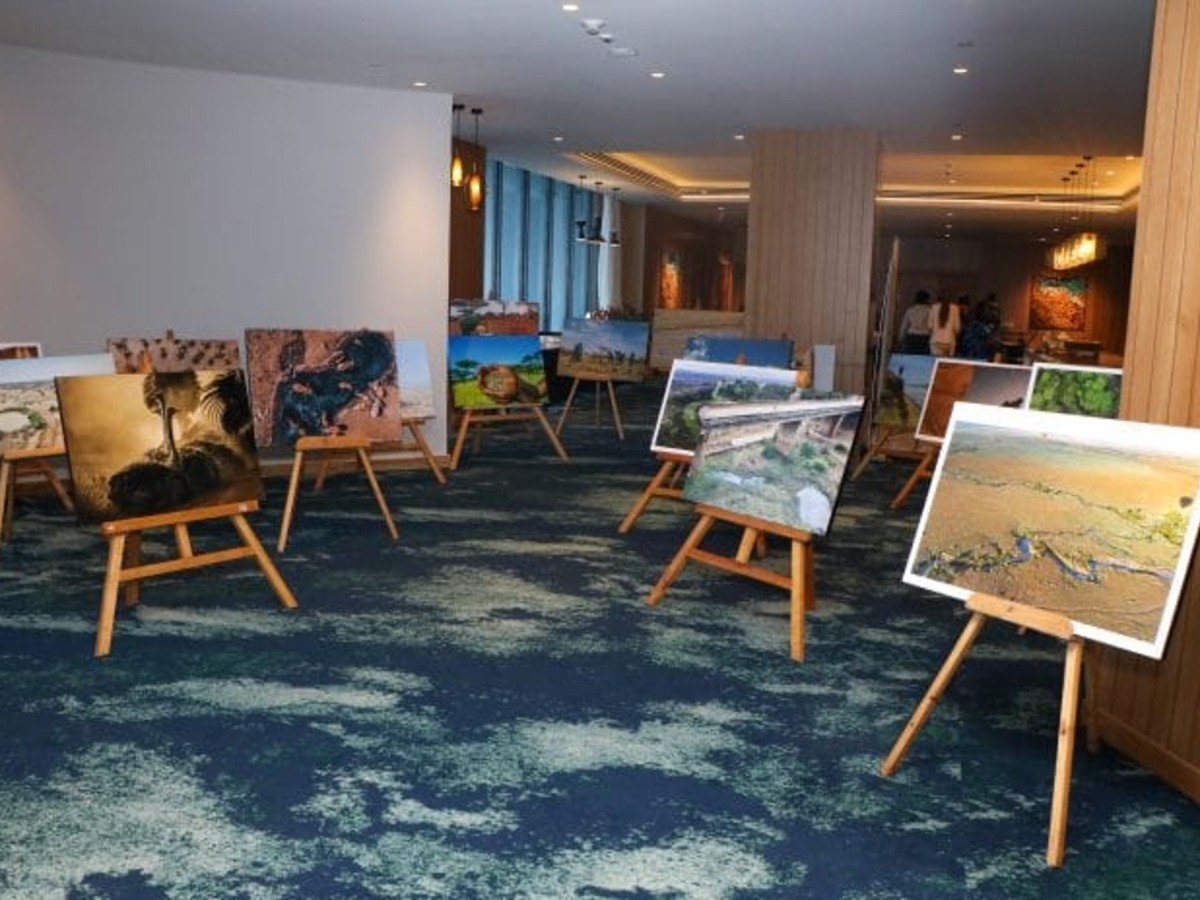
That philosophy came into sharp focus during Safal Eye in the Wild 2026, where the Safal MRM Foundation celebrated Africa's leading conservation photographers whose lenses have captured the continent's extraordinary wildlife, landscapes and fragile ecosystems. Their photographs do more than showcase nature's beauty; they remind society what stands to be lost if conservation efforts fail.
The annual awards recognised photographers whose work demonstrates that photography is more than a creative profession; it is an instrument for environmental advocacy. Safal Eye in the Wild has steadily grown from a photography competition into one of East Africa's most influential conservation and environmental education platforms. By bringing together photographers, conservationists, environmental advocates, business leaders and development partners, the initiative is creating a community united by a shared mission: using photography to deepen public appreciation of nature and encourage its protection.
Speaking during the awards, Safal MRM Foundation Head Siprosa Rabach said conservation begins with emotional connection, and photography remains one of the most effective ways of creating that bond between people and nature.
"Conservation starts when people care, and people care when they connect emotionally with what they see and experience. Safal Eye in the Wild was established to create that connection by using photography to bring nature closer to communities, inspire environmental stewardship and encourage action. Every image recognised tonight is more than a photograph; it is a call to protect the ecosystems, wildlife and biodiversity that define our shared future."
Her remarks capture an important reality. Scientific reports may explain biodiversity loss, and policy papers may recommend solutions, but a single powerful photograph can communicate both the beauty of nature and its vulnerability in ways that statistics rarely can. Photography has become one of conservation's most persuasive languages because it allows audiences to witness endangered wildlife, disappearing habitats and thriving ecosystems through the photographer's lens.
Mabati Rolling Mills Chief Executive Officer Albert Sigei reaffirmed that sustainability remains central to responsible business, noting that companies have an important role in supporting initiatives that strengthen environmental stewardship.
"For over six decades, Mabati Rolling Mills has grown alongside the communities we serve and the environments that sustain them. We recognise that the future of business and the future of our planet are inseparable. Safal Eye in the Wild reflects our belief that the private sector has both the opportunity and the responsibility to contribute meaningfully to conservation while supporting innovation, education and creative expression."
The initiative also received international recognition through a recorded message from United Nations Under-Secretary-General and UNEP Executive Director Inger Andersen, who praised the programme for demonstrating how photography can inspire conservation while empowering future generations to protect biodiversity.
Her message underscored a growing global consensus that environmental protection cannot rely solely on governments and conservation organisations. Photographers, artists, businesses, educators and local communities all have a role to play in shaping how society understands the natural world.
What makes Safal Eye in the Wild particularly significant is that it sits at the intersection of conservation, education and opportunity. It is nurturing emerging photographers while simultaneously building environmental awareness among audiences who may never have the chance to encounter Africa's wildlife in person. Every image becomes both a work of photography and an invitation to care.
Across the world, photography has long been recognised as a powerful force for change. National Geographic's iconic wildlife photography has inspired generations of conservationists. Images documenting melting glaciers, endangered species and threatened forests have influenced environmental campaigns and international policy discussions. Africa's photographers are now adding their own visual narratives to that global archive, ensuring the continent's biodiversity is documented through African eyes and African stories.
As biodiversity loss and climate change continue to threaten ecosystems across the continent, photography is becoming increasingly valuable not simply as a record of what exists today, but as a reminder of what future generations deserve to inherit. Every photograph has the potential to educate, to challenge perceptions and to inspire action.