
Macmillan College Launches Youth Scholarships and Women in Tech Program
Posted by JIM MWANDA
Macmillan Medical Training College launches the Afya Bora Scholarship and Women in Tech programs to expand access to healthcare and digital skills training for Kenyan youth and women.
In Summary
Macmillan Medical Training College has unveiled two new empowerment initiatives aimed at increasing access to education, healthcare training, and digital opportunities for young people and women across Kenya. The institution launched the Afya Bora Scholarship Program and the Women in Tech Empowerment Program to support vulnerable students, address unemployment, bridge skills gaps, and strengthen the country’s healthcare and technology sectors. The college also called on the government to extend HELB and other education funding opportunities to students enrolled in accredited private institutions.
Macmillan Medical Training College has launched two major programs designed to expand educational access and create new opportunities for young Kenyans pursuing careers in healthcare and technology.
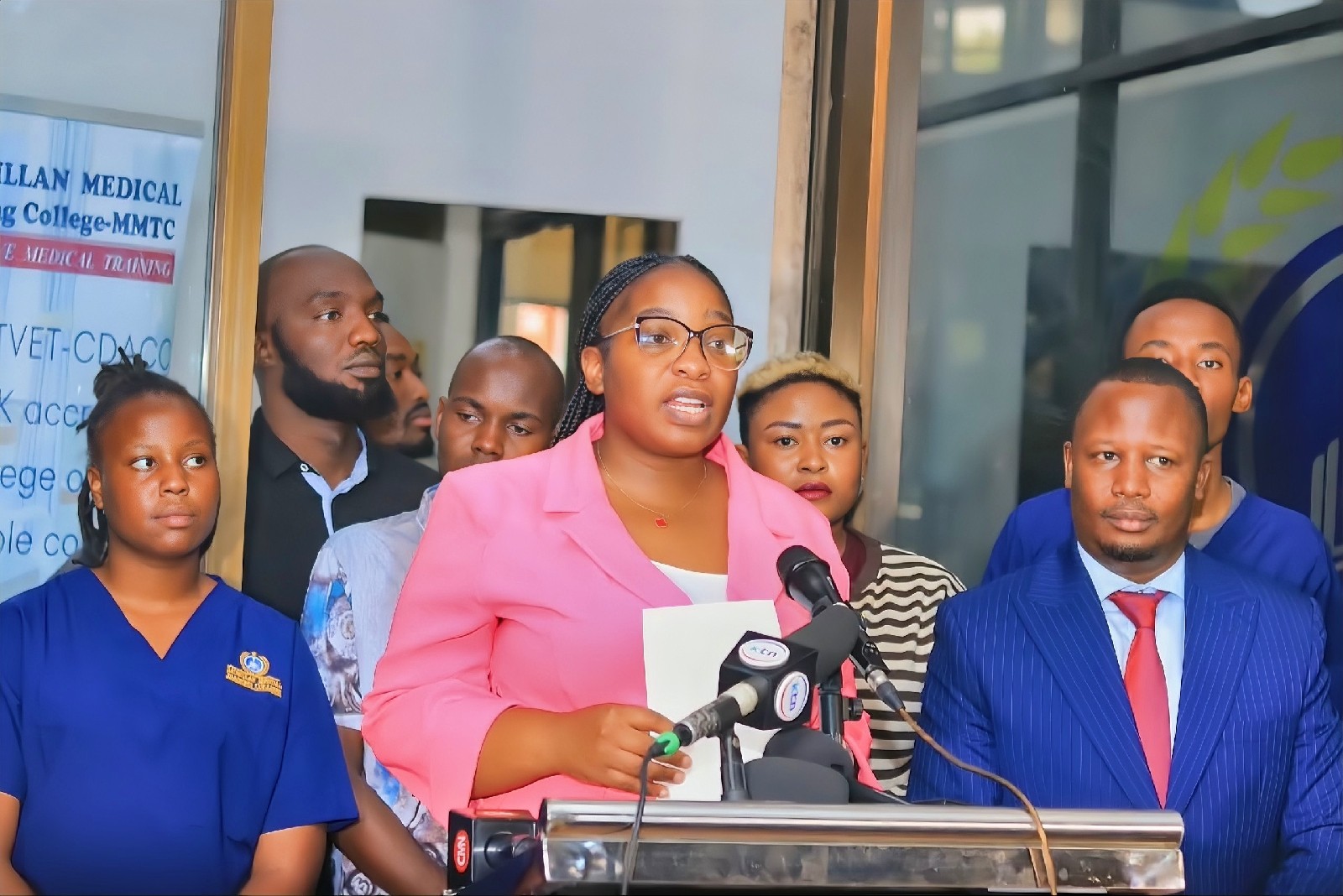
Speaking during the launch event, the institution’s director announced the introduction of the Afya Bora Scholarship Program and the Women in Tech Empowerment Program, describing them as strategic initiatives aimed at tackling unemployment, limited access to training opportunities, and the growing demand for skilled professionals in healthcare and digital industries.
The Afya Bora Scholarship Program will offer full and partial scholarships to deserving students pursuing accredited medical and healthcare courses. Meanwhile, the Women in Tech Empowerment Program, launched in partnership with NIA Innovation and Technology Training College, will provide fully sponsored technology and innovation training for women aged between 18 and 40 years.
According to the college, the initiatives are intended to ensure that talented youth from disadvantaged backgrounds are not denied opportunities due to financial challenges. The institution noted that many young people complete secondary education but remain unemployed because they cannot afford college fees or access practical skills training.
The director said the college is positioning itself as a solution-driven institution focused on employability, innovation, and practical education in response to the rapid transformation brought about by technology, artificial intelligence, and the digital economy.
The institution further stated that the programs align with the government’s Bottom-Up Economic Transformation Agenda and are being implemented within accredited TVET frameworks regulated under TVETA and CDACC standards.
The college also emphasized the important role private medical institutions continue to play in supporting Kenya’s healthcare system by training professionals needed to advance the country’s Universal Health Coverage agenda.
The director highlighted the increasing demand for healthcare assistants, caregivers, community health workers, emergency responders, and digital health support professionals, warning that the healthcare sector cannot function effectively without a well-trained workforce.
At the same time, the institution called on the government to review current education funding policies, arguing that students in accredited private colleges should also benefit from HELB and other financing opportunities.
The college maintained that education support should be based on merit, need, and potential rather than whether a student attends a public or private institution.
“This discrimination must stop,” the director said, stressing that every Kenyan student deserves equal access to educational opportunities and support.
On the Women in Tech Empowerment Program, the institution said the initiative seeks to bridge the gender gap in technology by equipping women with skills in programming, digital entrepreneurship, and emerging technologies.
The college noted that women remain underrepresented in technology spaces globally despite the increasing influence of digital innovation across sectors such as healthcare, education, communication, and business.
According to the institution, the initiative also contributes to several United Nations Sustainable Development Goals, including quality education, gender equality, decent work and economic growth, innovation and infrastructure, and good health and well-being.
The college further appealed to the media and stakeholders to help amplify awareness of the programs so that vulnerable students and underserved communities across the country can benefit from the opportunities.
The director reaffirmed the institution’s commitment to producing graduates who are academically competent, innovative, compassionate, employable, and globally competitive.