
Kenya Unveils New Plan to End FGM By 2030
Posted by EDITORIAL
Kenya unveils the End FGM Africa 2026–2031 Strategic Plan as stakeholders push for stronger action to end FGM by 2030. Despite progress, funding cuts, enforcement gaps and persistent cultural norms threaten gains, highlighting the need for data-driven interventions and renewed commitment.
In Summary:
Kenya has joined African partners in launching the End FGM/C Network Africa 2026–2031 Strategic Plan, renewing commitments to eliminate Female Genital Mutilation (FGM) despite shrinking donor support and the fast-approaching 2030 global deadline. While the country has significantly reduced national FGM prevalence, the practice remains deeply rooted in several counties, demanding stronger political commitment, sustainable financing, better use of data, stricter enforcement of existing laws and community-led solutions that go beyond changing culture alone.
Also Read: How Child marriage steals girlhood and why we should end it
Also Read: How Kenya Marked World Prematurity Day 2025
Also Read: Kenya Journalists Acknowledged for transformative reporting on HIV and STI
The launch of the End FGM/C Network Africa 2026–2031 Strategic Plan has come at a defining moment for Kenya and the African continent. With less than five years remaining before the global target of eliminating Female Genital Mutilation (FGM) by 2030, governments, civil society organisations, researchers and development partners acknowledge that while significant progress has been made, the pace is not yet sufficient to achieve complete elimination.
Held during the End FGM/C Network Africa General Assembly Annual Convening, the launch brought together representatives from 24 organisations across Northern, Southern, Eastern, Western and Central Africa. The Network seeks to strengthen African-led advocacy, research and coordinated action to end FGM in all its forms while safeguarding the rights, dignity and health of women and girls.

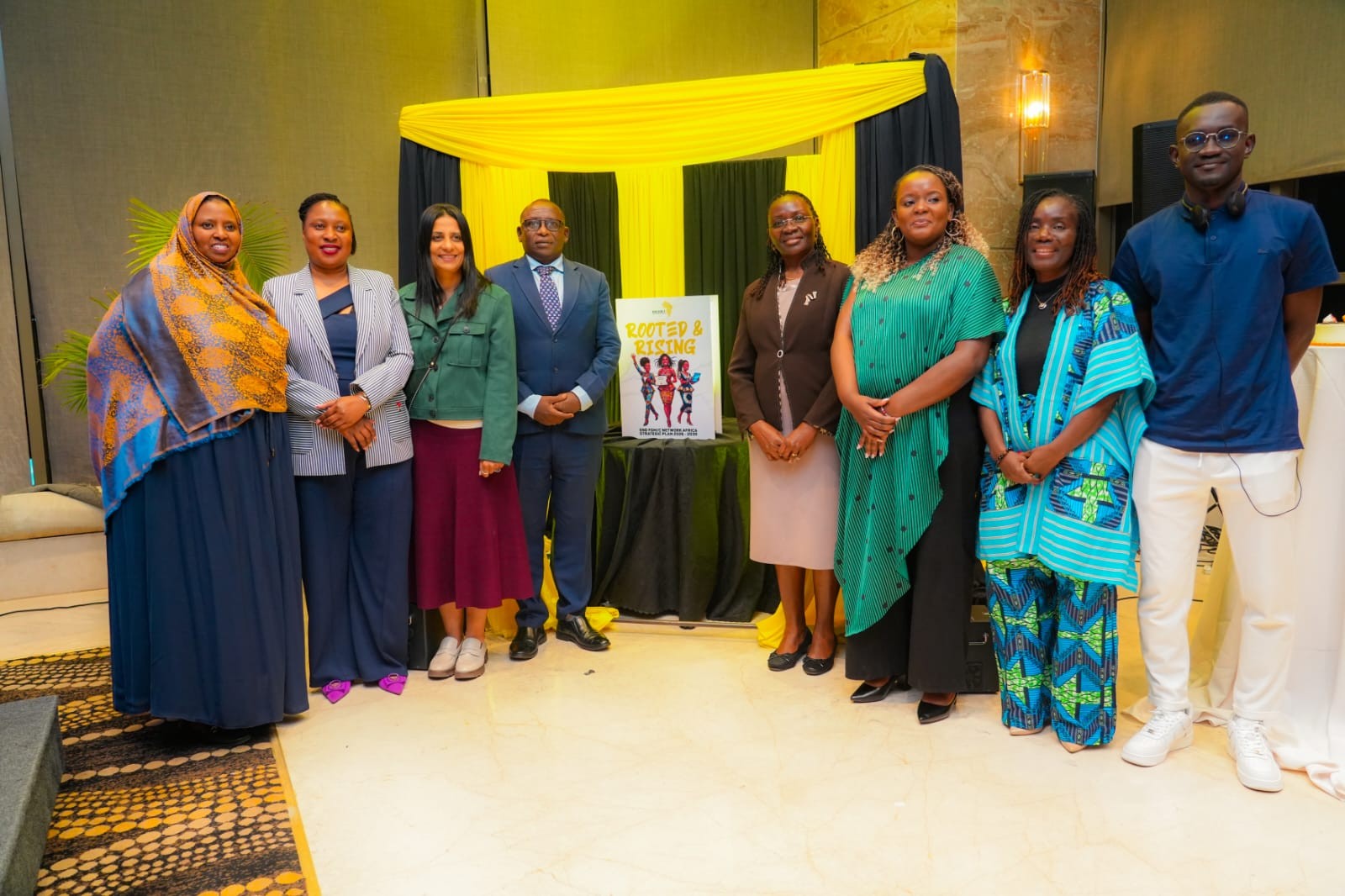
Stakeholders holding the plan at an hotel: photo credits Handout
Speaking on behalf of CPA Carren Achieng Agengo, Principal Secretary in the State Department for Children Welfare Services, government representatives emphasised that the period between 2026 and 2030 represents a critical window for Kenya and the continent. They noted that reducing the number of girls exposed to harmful traditional practices will require an approach that combines government leadership with sustained societal commitment.
Dr. Josephine Obonyo, Secretary for Gender, reminded participants that millions of girls remain at risk every year.
"Millions of girls unfortunately still remain at risk of FGM and cutting every year. The practice continues to rob the rights, dignity, health and future of women and girls. It is our collective responsibility to accelerate action," she said.
FGM refers to all procedures involving the partial or total removal of the external female genitalia or other injury to female genital organs for non-medical reasons. The practice has no health benefits and is internationally recognised as a violation of the human rights of women and girls. Survivors may experience severe bleeding, infections, complications during childbirth, psychological trauma, chronic pain and long-term reproductive health complications.
Also Read: The Silent Epidemic and it's caused by your eating habits
Kenya has made remarkable progress over the past two decades. According to recent reports published by the United Nations Population Fund (UNFPA) and the Kenya the Kenya FGM/C Research Initiative the National prevalence among women aged 15 to 49 has declined to 14.8 percent, reflecting years of legal reforms, public awareness campaigns, community engagement and increased education. Yet national figures conceal stark regional disparities. Wajir remains the country's most affected county with a prevalence of 97.2 percent, closely followed by Mandera at 95.9 percent. Other counties including Marsabit, Garissa, Isiolo, Samburu, West Pokot and parts of Narok and Kajiado also continue to record significantly higher rates than the national average
Across Africa, countries such as Somalia continue to report some of the world's highest FGM prevalence rates, with the practice affecting an overwhelming majority of women and girls. Guinea, Djibouti, Mali, Egypt and Sudan also remain among countries where FGM is highly prevalent despite growing legislative and advocacy efforts. These realities demonstrate that eliminating FGM is not a challenge unique to Kenya but one requiring coordinated continental leadership.
Perhaps one of the strongest messages emerging from the convening was that changing culture alone will not end FGM. While harmful social norms undoubtedly sustain the practice, culture cannot be viewed in isolation from poverty, education, governance, healthcare access, gender inequality and economic vulnerability. Families often continue FGM because of fears surrounding marriageability, social exclusion and economic security rather than cultural identity alone.
Uganda offers important lessons for Kenya. Although Uganda historically recorded lower national prevalence than Kenya, targeted interventions in hotspot communities have demonstrated how sustained political leadership, cross-border collaboration, community surveillance, involvement of former circumcisers, religious leaders and elders, alongside continuous public education, can dramatically reduce new cases. Uganda's experience also highlights the importance of integrating anti-FGM efforts into broader child protection systems instead of treating the issue as a standalone campaign. Equally important has been consistent investment in local ownership, allowing communities themselves to become champions against the practice.
Kenya can build on similar lessons by strengthening intelligence-led enforcement, particularly along porous borders where cross-border cutting continues to undermine domestic legislation. Greater collaboration between county governments, security agencies, health workers, teachers and community leaders will be essential in identifying girls at risk before cutting occurs rather than responding after harm has already been done.
Another lesson repeatedly echoed during the General Assembly is the growing importance of evidence. Data should no longer simply measure prevalence; it should actively guide investment decisions, identify emerging hotspots, evaluate interventions and inform public policy. Reliable county-level data can help governments channel limited resources to communities facing the highest risk while enabling development partners to monitor impact more effectively.
This evidence-based approach becomes even more critical as international donor funding declines. Several organisations working to eliminate FGM have already reported reduced financial support, threatening community outreach programmes, survivor services and research initiatives. Without sustainable domestic financing, gains achieved over many years risk being reversed.
Fortunately, public attitudes appear to be changing faster than the practice itself. Recent findings indicate that over 92 percent of Kenyan women and nearly 94 percent of men believe FGM should end. This growing social consensus provides a powerful foundation upon which policymakers can build stronger legal enforcement and community action. However, translating changing attitudes into behavioural change requires continued investment and accountability.
Kenya already possesses one of Africa's strongest legal frameworks through the Prohibition of Female Genital Mutilation Act, 2011. Yet implementation remains inconsistent due to limited resources, inadequate reporting mechanisms, fear among victims and witnesses, and the evolution of the practice into more secretive forms. Medicalisation and cross-border FGM continue to present emerging challenges requiring adaptive policy responses.
As 2030 draws closer, the question is no longer whether ending FGM is possible but whether governments and stakeholders are willing to match commitments with action. Success will depend on sustained political leadership, predictable financing, stronger law enforcement, survivor-centred health services, quality education, regional cooperation and continuous use of research and data to guide interventions.
The launch of the End FGM/C Network Africa 2026–2031 Strategic Plan therefore represents far more than another policy document. It is a reminder that Africa's final push toward ending FGM must be evidence-driven, adequately financed and led by Africans themselves. The next four years will determine whether Kenya and the continent achieve one of the most ambitious human rights commitments of this generation or allow millions more girls to remain at risk of a practice that the overwhelming majority of Africans now agree should end forever.