
IEC-AFRC Marks a Decade of Strengthening Africa’s Voice in Electrotechnology
Posted by JIM MWANDA
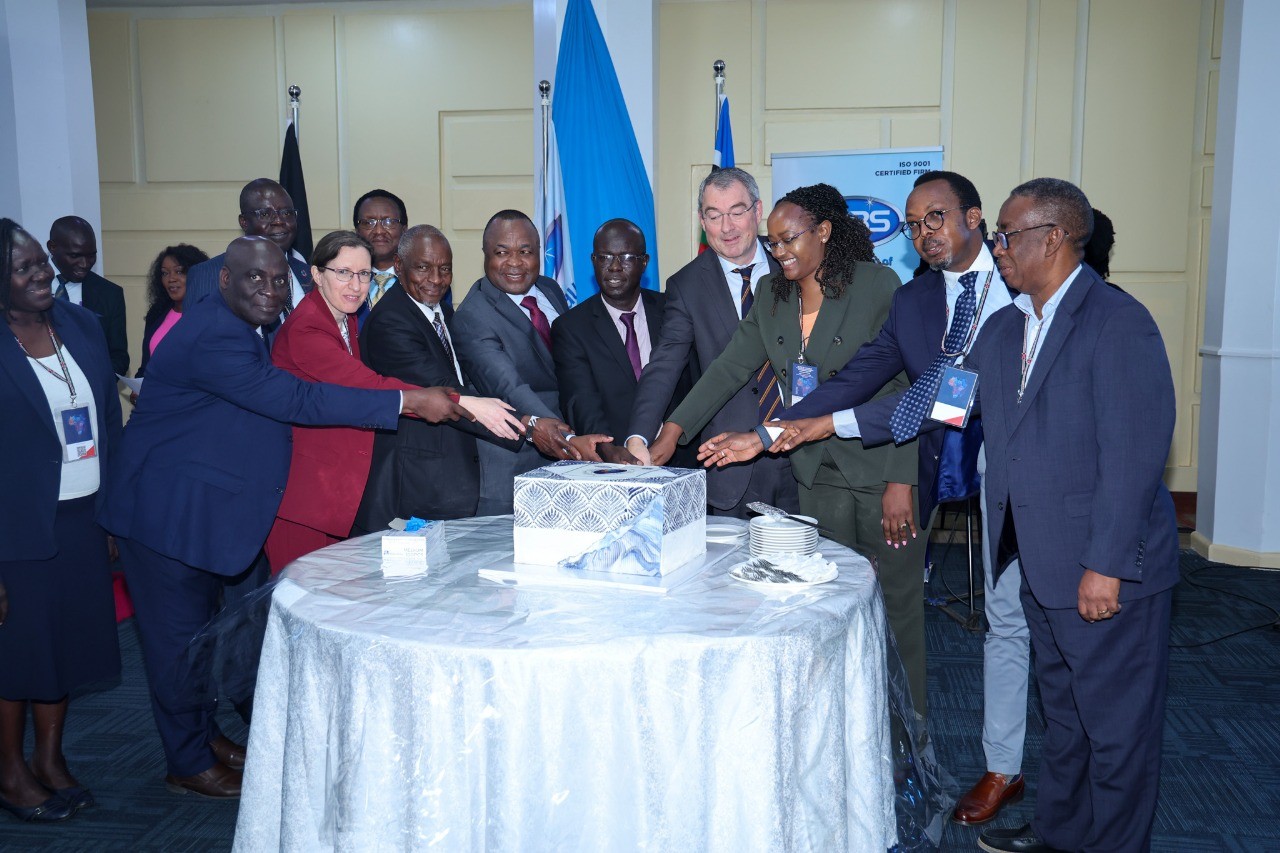
At the IEC-AFRC 10th Anniversary and Africa Quality Infrastructure Week in Nairobi, industry leaders, policymakers, and experts underscored the importance of international standards in advancing Africa’s energy transition, industrialization, and competitiveness.
Nairobi Kenya
READ: NIVIDIA THE WORLDS MOST VALUABLE COMPANY 2025
In Summary
The IEC-AFRC 10th Anniversary and the inaugural Africa Quality Infrastructure in Electrotechnology Week Conference and Exhibition, held in Nairobi from November 4–6, 2025, marked a decade of progress in strengthening Africa’s voice in the global electrotechnical landscape. Leaders from across the continent gathered to reflect on milestones, reaffirm regional collaboration, and chart pathways toward harmonized standards that will drive Africa’s industrial growth, energy transition, and integration into global value chains.
The International Electrotechnical Commission Africa Regional Centre (IEC-AFRC) celebrated its 10th Anniversary alongside the 1st Africa Quality Infrastructure in Electrotechnology Week Conference and Exhibition in Nairobi, Kenya, bringing together government leaders, policy experts, and industry stakeholders from across Africa and beyond.
READ: Changamka Festival 2025: NCBA and KAM Unite to Power Kenya’s Manufacturing Renaissance
Speaking at the opening ceremony, Dr. Chris Wamalwa, Chairman of the Kenya Bureau of Standards (KEBS) Council, commended the progress made since the centre’s establishment in 2015, describing it as
“a visionary step that positioned Africa as an active player within the global electrotechnical community.”
He noted that the regional centre has been instrumental in building capacity, strengthening partnerships, and connecting African institutions to the global IEC ecosystem.
Under the theme “We Innovate for a Sustainable Future,” the conference underscored the role of quality infrastructure in advancing Africa’s industrialization, competitiveness, and integration into global value chains. Speakers emphasized that as the continent embraces digital transformation and cleaner energy sources, the alignment of local and international standards remains key to ensuring safety, interoperability, and trust in emerging technologies.
Driving Africa’s Energy Transition
IEC representatives highlighted Africa’s pivotal role in the global energy transition, noting that access to electricity is increasingly viewed as a human right. They stressed that international standards not only enhance the safety and reliability of power systems but also facilitate the integration of renewable energy into national grids. This, they said, will be essential for building resilient supply chains and supporting sustainable economic growth.
KEBS’ Commitment to Global Standards
KEBS Managing Director reaffirmed Kenya’s dedication to aligning national standards with international benchmarks to foster trade competitiveness.
“We are very intentional about harmonizing the standards we adopt with global ones,” she said. “This ensures that Kenyan industries can access both regional and international markets confidently.”
She further outlined KEBS’ ongoing awareness programs aimed at educating traders, manufacturers, and consumers about the importance of compliance. Through these initiatives, KEBS continues to promote adherence to the IEC and ISO standards that underpin global commerce.
Ensuring Consumer Confidence
KEBS officials reiterated that all products, whether locally produced or imported, undergo rigorous testing and certification before entering the Kenyan market. Consumers can verify the authenticity of certified goods by checking for the Standardization Mark (SM) or Import Standardization Mark (ISM) and confirming its validity via SMS by sending SM#Number to 20023.
The event is ongoing and with a call to action for African countries to take a more active role in international standardization processes—moving from “IEC in Africa” to “Africa in the IEC.” The milestone celebration not only reflected on a decade of progress but also laid the foundation for Africa’s stronger participation in shaping global electrotechnical standards.