
Africa's Leaders Meet in Nairobi to forge New Continental Anti-Corruption Centre
Posted by EDITORIAL
Africa's anti-corruption leaders meet in Nairobi as EACC launches CEREAC, a new continental research centre aimed at combating corruption, illicit financial flows and governance challenges across Africa.
In Summary
- The EACC has launched the Centre for Anti-Corruption Studies and Research in Africa (CEREAC) in Nairobi to strengthen research, innovation and cross-border cooperation against corruption.
- African leaders and anti-corruption agencies say corruption continues to drain billions of dollars from the continent annually, undermining public services, economic growth and opportunities for millions of citizens.
Also Read: The Illicit Financial flows Straight from Minnesota to Kenya’s Real Estate
Also Read: Kenya Courts Investment Deals worth $2.9 Billion
Also Read: Kenya Discovered Gold worth Over $5 Billion
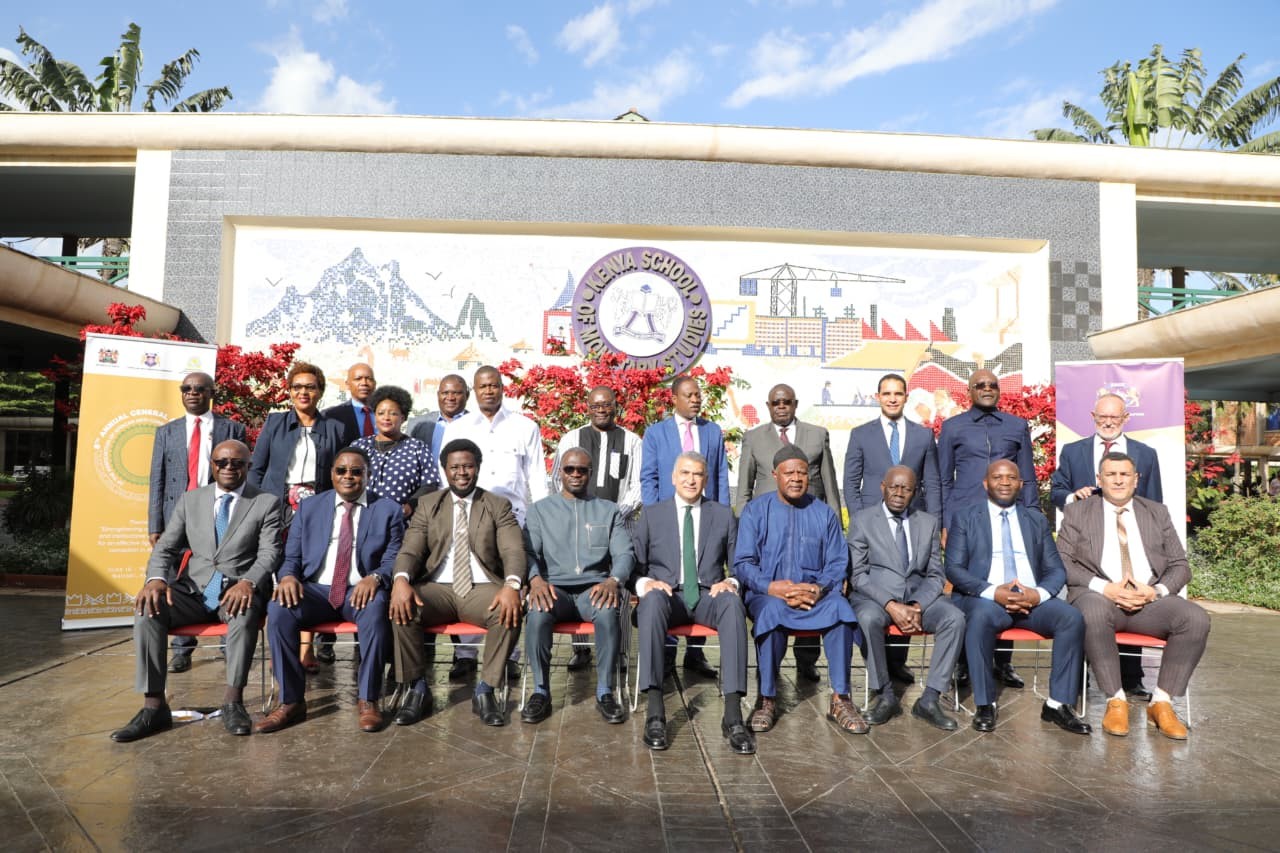
Nairobi has become the focal point of Africa's latest push against corruption after the Ethics and Anti-Corruption Commission (EACC) unveiled the Centre for Anti-Corruption Studies and Research in Africa (CEREAC), a new institution expected to drive research, innovation and collaboration among anti-corruption agencies across the continent.
The launch took place during the 8th Annual General Assembly of the Association of African Anti-Corruption Authorities (AAACA), bringing together policymakers, investigators, governance experts and development partners at a time when corruption is increasingly crossing borders and exploiting new technologies.
Representing President William Ruto, Attorney General Dorcas Oduor warned that corruption has evolved far beyond traditional forms of bribery and embezzlement. Today, illicit wealth can be hidden through shell companies, moved through digital platforms and transferred across multiple jurisdictions within minutes, making it harder for individual countries to respond alone.
Her remarks reflected a growing concern across Africa that corruption is no longer just a governance issue but a major threat to economic development, public trust and national security. Every year, billions of dollars that could finance schools, hospitals, roads, clean water projects and job creation are lost through procurement fraud, tax evasion, money laundering and illicit financial flows.
For many Africans, the consequences are deeply personal. Corruption often means overcrowded hospitals lacking essential medicine, unfinished infrastructure projects, unreliable public services and fewer opportunities for young people entering the workforce. It widens inequality by diverting resources away from communities that need them most while enriching a small number of individuals.
The challenge has become even more urgent as corruption increasingly intersects with cybercrime, organized crime and financial fraud. African anti-corruption agencies are therefore seeking stronger cooperation in intelligence sharing, investigations and asset recovery to prevent criminals from exploiting legal and institutional gaps between countries.
Also Read: When Kenya’s NSE Surpassed KSh 3 Trillion
Also Read: Jetour Enters the Kenyan Market
EACC Chief Executive Officer Abdi Mohamud said the establishment of CEREAC represents a major step toward evidence-based anti-corruption efforts. The centre will serve as a continental hub for research, policy development, capacity building and knowledge exchange, helping governments identify emerging corruption trends and design more effective responses.
The idea for the centre was first conceived several years ago by members of AAACA, who recognized the need for a dedicated institution capable of generating African-led research and solutions tailored to the continent's governance realities.
EACC Chairperson Dr. David Oginde argued that Africa's response to corruption must evolve as quickly as the threats themselves. He called for deeper regional cooperation, greater use of technologies such as artificial intelligence and blockchain, and stronger investment in research to better understand corruption patterns across the continent.
His message echoes lessons from countries that have significantly reduced corruption through institutional reforms, digital government services and strong accountability systems. Nations such as Singapore and several Nordic countries have demonstrated that transparent institutions, effective enforcement and public trust can create environments where corruption becomes increasingly difficult to sustain. While Africa's circumstances differ, governance experts say many of those principles remain relevant across the continent.
The launch of CEREAC signals growing recognition that fighting corruption requires more than investigations and prosecutions. It also demands data, innovation, research and collaboration capable of addressing the root causes of graft.
As delegates continue their deliberations in Nairobi, expectations remain high that the Assembly will produce new commitments on asset recovery, joint training programmes and cross-border cooperation. For a continent seeking faster economic growth, stronger institutions and improved quality of life, many believe success in the fight against corruption could unlock opportunities that have long remained out of reach.