Nyota Beneficiaries to Receive Second Tranche by June 30: Government Confirms Nationwide Disbursement
Posted by EDITORIAL
Nyota beneficiaries are set to receive the second tranche of business start-up capital by June 30, 2026, after the Government confirmed nationwide disbursement under the World Bank-supported NYOTA youth empowerment programme.
In Summary
Thousands of young entrepreneurs enrolled under the National Youth Opportunities Towards Advancement (NYOTA) Project are set to receive their long-awaited second tranche of start-up capital by June 30, 2026, following Government assurances that all eligible beneficiaries will be paid simultaneously. The announcement brings renewed optimism to youth-led enterprises across the country that have been awaiting the completion of their business support funding.
Also Read: How Nyota Project conducted countrywide verification exercise
Also Read: How Jetour Entered the Kenyan Market
The Government has assured young entrepreneurs participating in the National Youth Opportunities Towards Advancement (NYOTA) Project that the second tranche of business start-up funding will be released before the end of June, offering relief to thousands who have been awaiting the next phase of financial support.
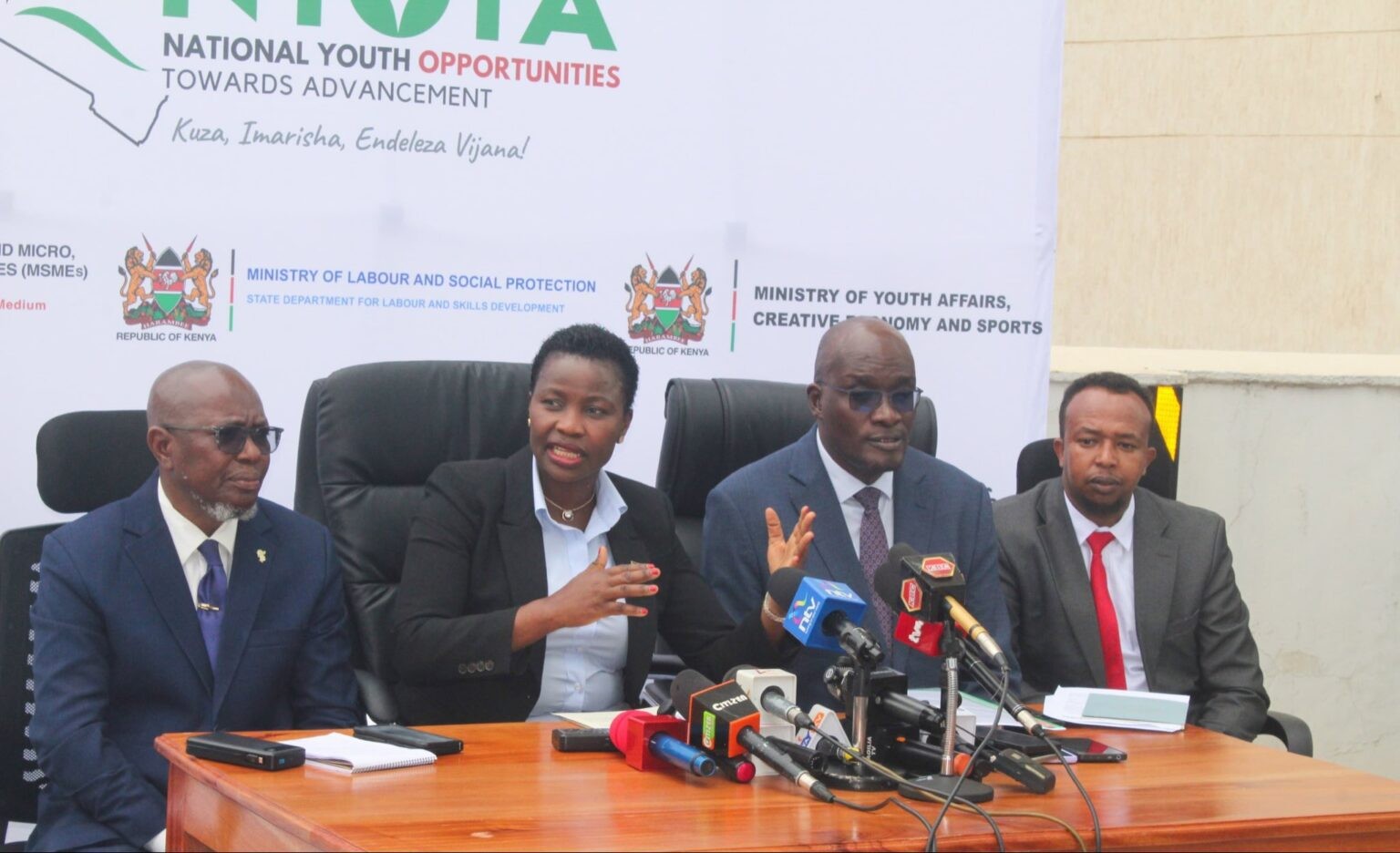
Speaking during a media briefing in Nairobi on June 2, 2026, Principal Secretary for Micro, Small and Medium Enterprises Development Susan Mang'eni said all eligible beneficiaries are expected to receive the funds by June 30.
The announcement is likely to be welcomed by many young Kenyans who have already received the initial funding and completed entrepreneurship and mentorship programmes under the initiative. For several months, beneficiaries have been seeking clarification on when the remaining funds would be released, citing the importance of the support in helping them expand and sustain their businesses.
According to the Ministry, the NYOTA Project was initially designed to roll out its business support programme through multiple intake phases. However, the unexpectedly high level of interest from young people across the country led to a review of the implementation approach.
Government officials said consultations involving national leadership and development partners resulted in a decision to adopt a single nationwide intake model. The revised framework allows all qualifying applicants to be assessed and enrolled under one coordinated process rather than being selected in separate batches.
The programme has attracted significant interest from Kenya's youth, with applications running into the millions. Officials noted that the change was intended to create a more inclusive process and ensure that eligible young people could access opportunities under the project without prolonged waiting periods.
While the implementation model has changed, the financial support structure remains the same. Beneficiaries continue to receive funding in two instalments. Most participants have already accessed the first tranche of KSh25,000, with the second payment expected to complete the start-up capital package.
The Ministry reported encouraging results from the programme's early implementation, indicating that a large majority of beneficiaries who received the initial support have successfully established businesses after undergoing training and mentorship. Officials view the outcome as a positive indicator of the programme's potential to strengthen youth entrepreneurship and create economic opportunities.
Addressing concerns over the delay, the Government attributed the postponement to budgetary pressures experienced within the current financial year. However, officials maintained that efforts are underway to ensure the required resources are available for the planned disbursement.
Beneficiaries have been urged to remain patient as the final administrative and budgetary processes are completed ahead of the June 30 deadline.
The NYOTA Project is a five-year initiative implemented jointly by the Government of Kenya and the World Bank. It is aimed at improving employment prospects and supporting enterprise development among vulnerable and marginalized youth across the country, including those living in refugee-hosting communities such as Kakuma and Dadaab.
Implementation of the programme is supported by several Government agencies, including the National Industrial Training Authority, the Micro and Small Enterprises Authority, the National Employment Authority, and the National Social Security Fund.